

About project
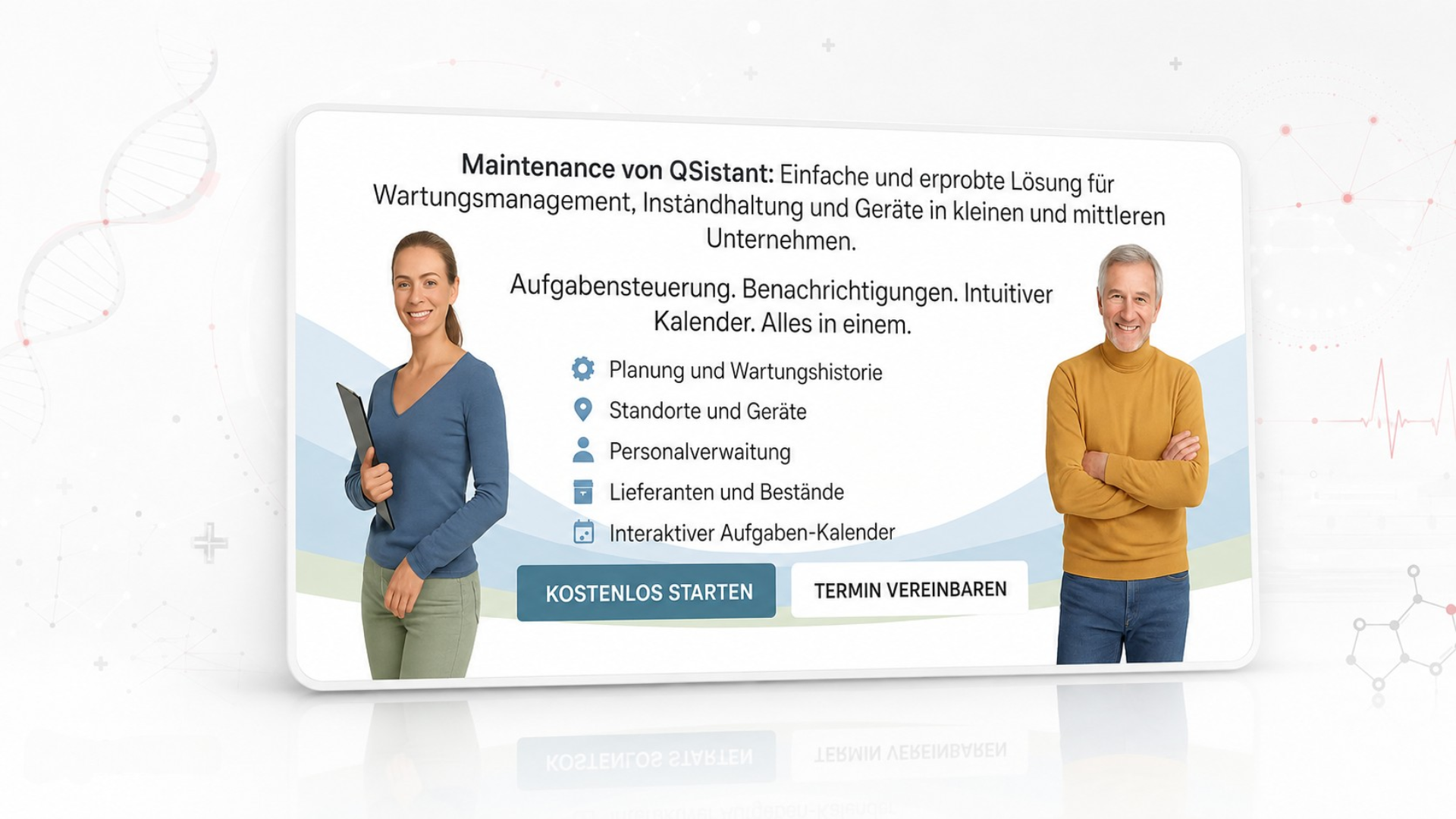
QSistant is a web-based maintenance management application designed to help enterprises organize equipment maintenance, repair processes, technical documentation, and operational tasks in one centralized system.
The platform enables administrators and maintenance teams to manage machines, locations, suppliers, users, and scheduled maintenance activities. It provides a clear overview of equipment status, upcoming tasks, maintenance history, and responsible personnel.
By combining task planning, notifications, documentation, and equipment management, QSistant helps companies reduce maintenance delays, improve operational visibility, and keep critical equipment information structured and accessible.
Amid these challenging times for our country, Arian approached us with a project request, seeking support and partnership. The online platform they envision is primarily focused on healthcare, but its versatility allows applicability in any B2B domain. We are delighted to collaborate with the Qsistant team and turn their idea into reality, propelling them towards a new stage of success.
Duration
20.01.2024 – 14.05.2024
Client’s Request
- centralized management of machines, machine groups, locations, suppliers, and users;
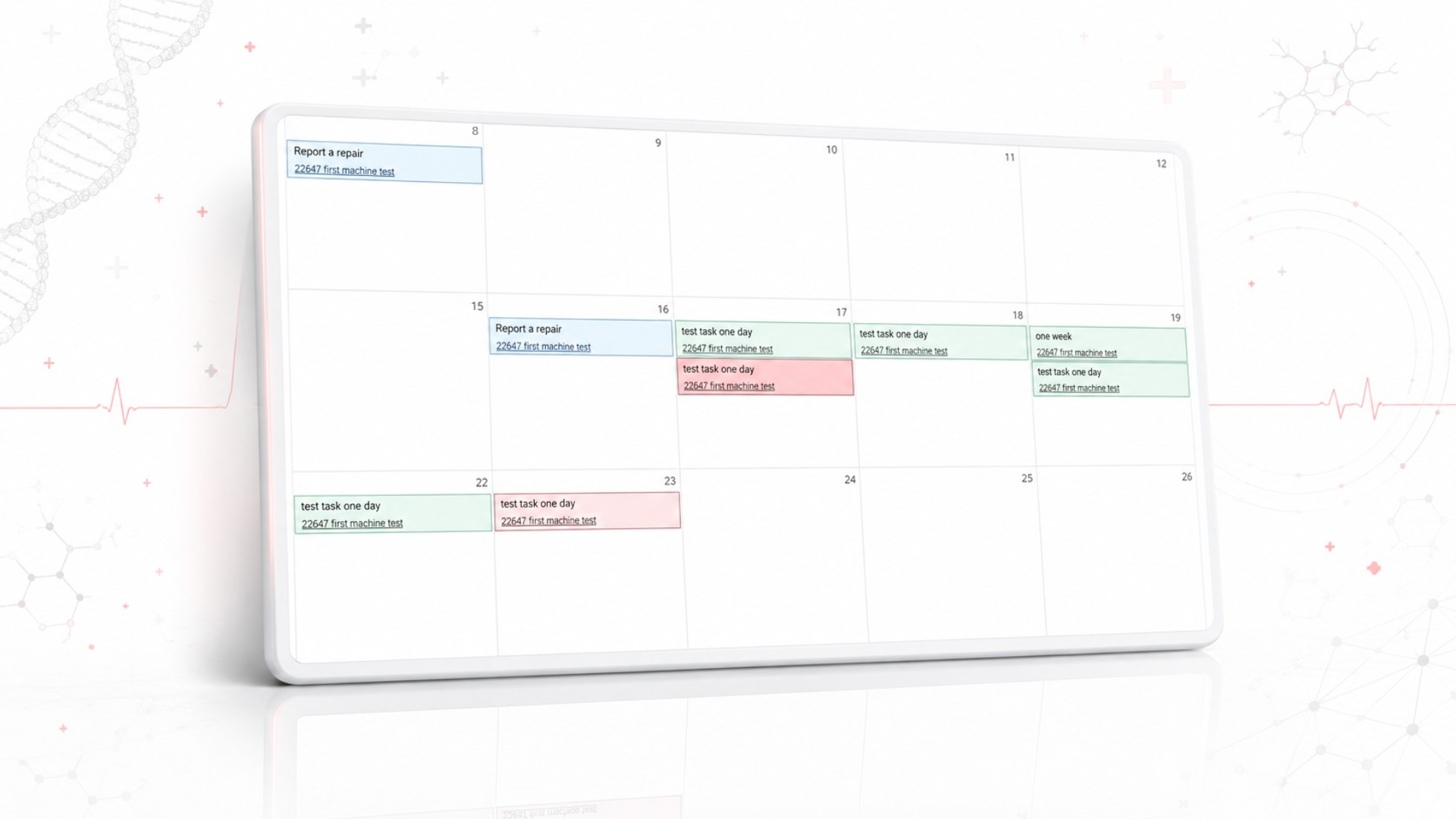
- a maintenance calendar for scheduled tasks and repairs;
- automated email notifications and reminders;
- task assignment based on user roles and responsibilities;
- equipment status and maintenance history tracking;
- storage of reports, manuals, certificates, and other technical documents;
- notification settings based on machines, locations, and maintenance types;
- clear reporting after maintenance tasks were completed.
Here’s What We Did
- maintenance calendar
We created an interactive calendar that displays scheduled maintenance and repair tasks, helping users track upcoming activities and completion statuses. - automated email notifications
We implemented email reminders for scheduled maintenance tasks to reduce delays and ensure timely completion. - user and role management
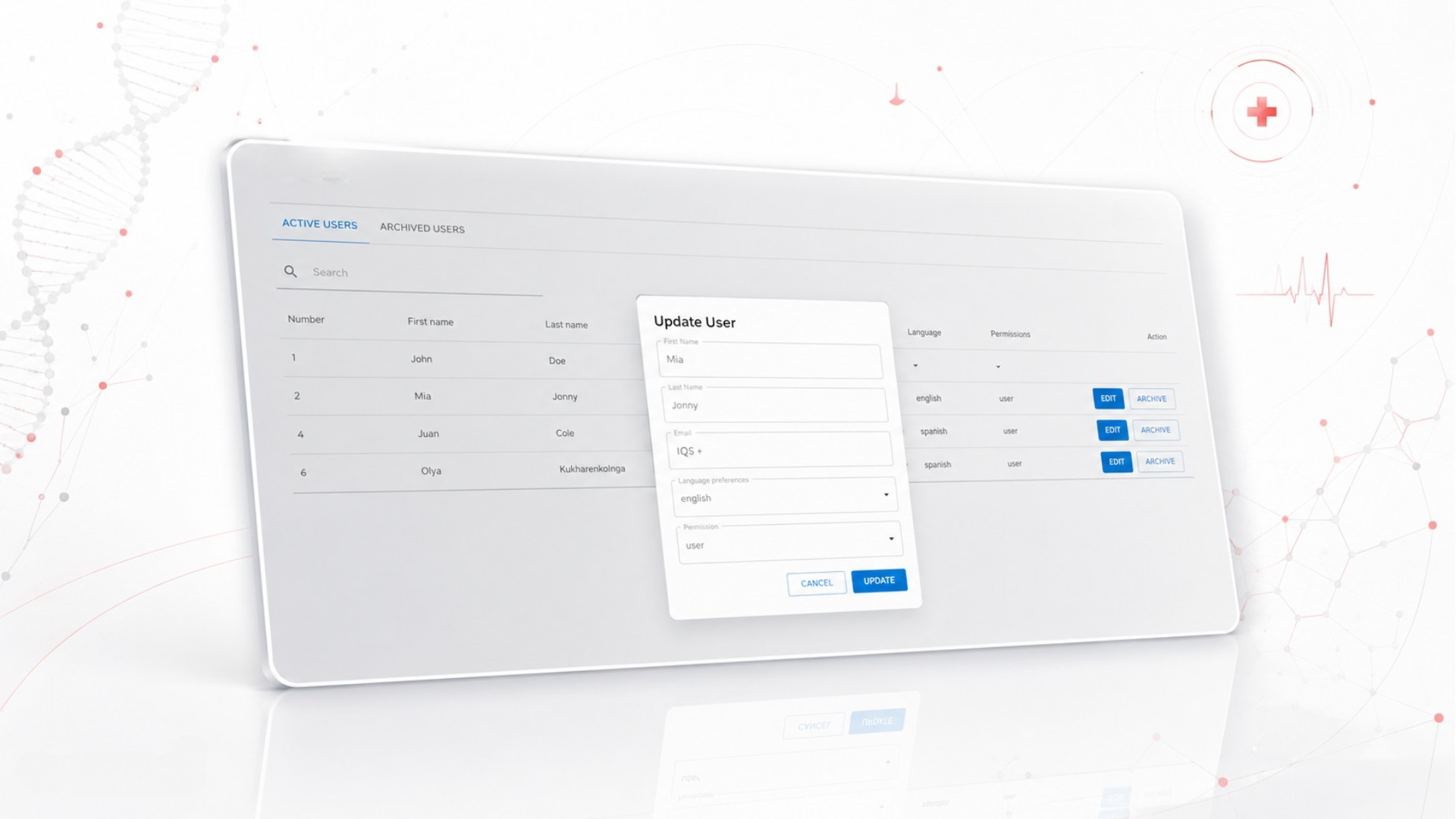
We developed interfaces for managing users, permission levels, notification preferences, and role-based access. - machine management
We created a centralized system for managing machines, including descriptions, serial numbers, responsible personnel, deputies, manufacturing years, statuses, and machine groups. - machine group management
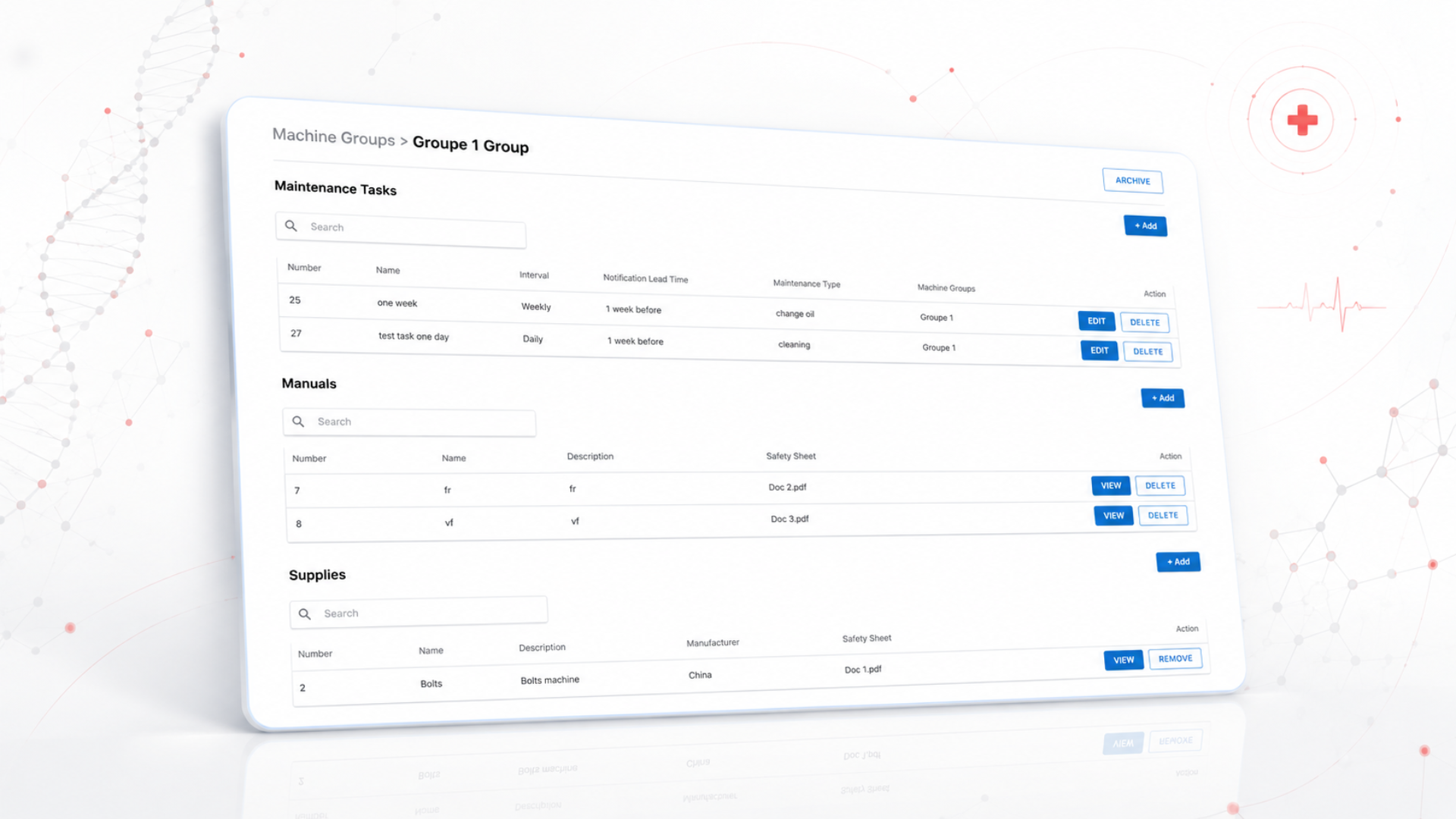
We implemented tools for creating, editing, reviewing, archiving, and organizing machine groups. - location and supplier management
We developed dedicated interfaces for managing equipment locations and supplier information. - maintenance personnel workflow
Technicians receive information about upcoming tasks, can update task statuses, and report when maintenance work is completed. - comments and document uploads
Maintenance personnel can leave comments, upload reports and technical documents, and document completed work. - personal notification preferences
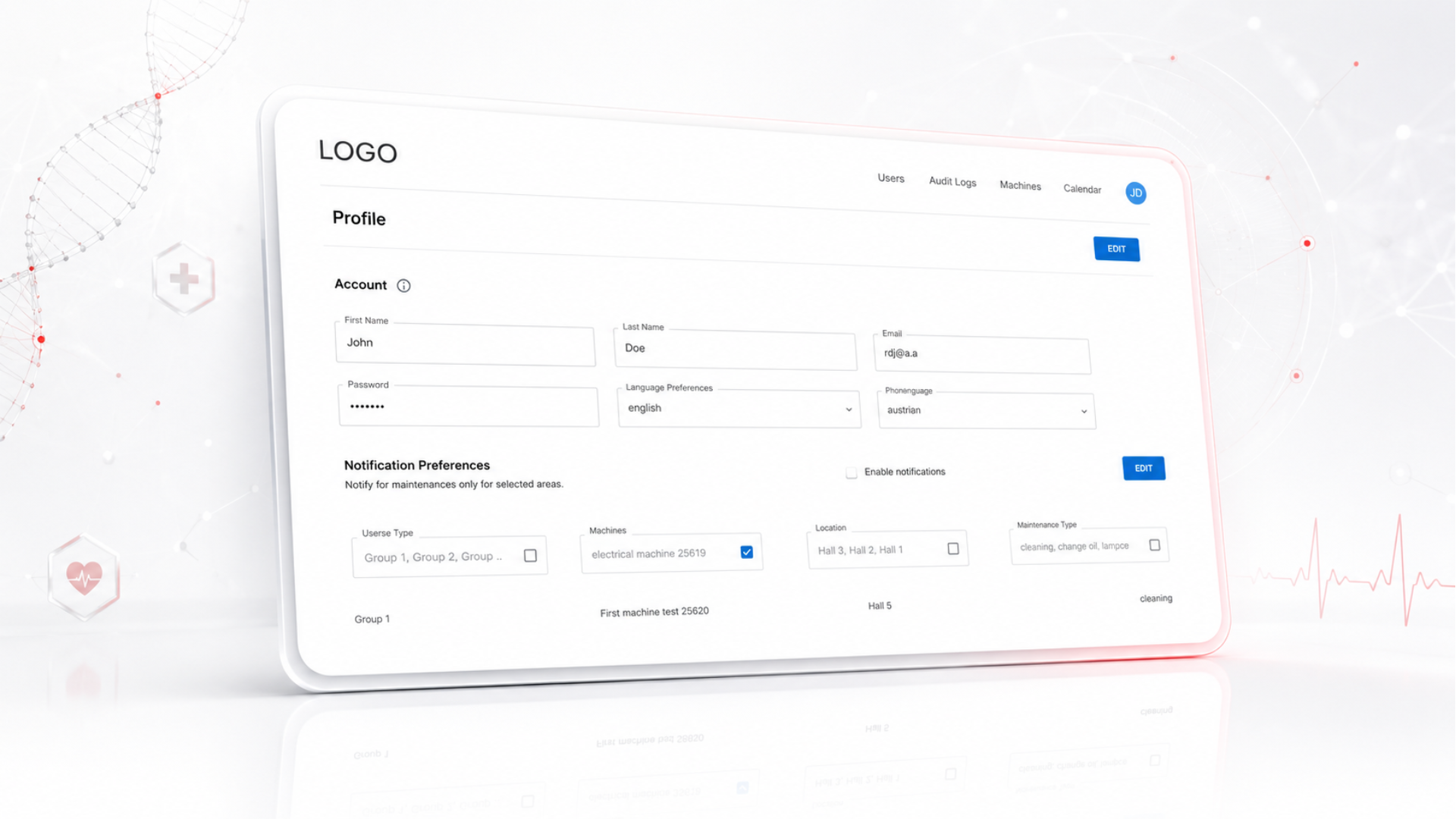
Users can configure notifications based on machine groups, individual machines, locations, and specific maintenance types. - secure authentication
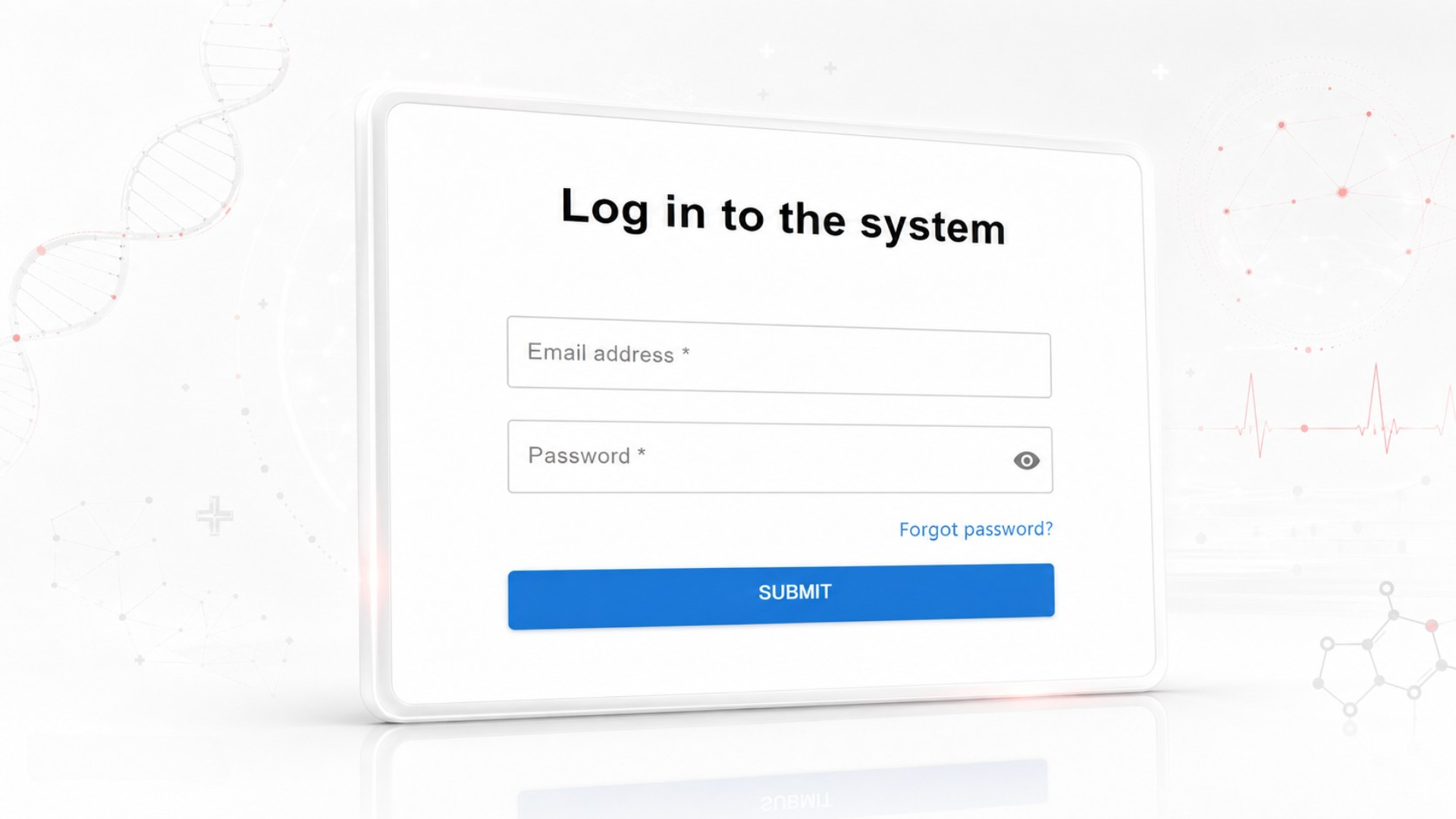
We implemented user authentication, password recovery, and secure storage of user credentials and personal data.
Roadmap
Project Discussion & Planning
We clarified the client’s requirements, defined the core user roles, mapped the maintenance workflow, and planned the structure of the application.
Database and Core Interfaces
We developed the initial database structure and created the core interfaces for managing machines and users.
User Profiles, Locations and Suppliers
We developed interfaces for user profiles, locations, suppliers, personal settings, permissions, and notification preferences.
Platform Structure and Calendar Interface
We combined the main interfaces into a unified application structure and created the maintenance calendar interface.
Calendar Integration and Task Management
We connected the calendar with the maintenance workflow and implemented task management interfaces, statuses, and task details.
Processing, Testing and Presentation
We refined the main workflows, processed feedback, tested the key interfaces, and prepared the application for presentation.
Main Functionality
Secure Application Login
Personal Settings and Notification Preferences
Maintenance Calendar
User Management
Machine Group Management
Machine Management
Contact Us